Source Rubber O Ring for Electric, Water, and Mechanical Seals
Find and compare 30 o ring options for electric, water tube, and mechanical seal applications. Evaluate materials like NBR and PU, hardness ranges, and customization services to select the right seal for your industrial needs.
Key considerations
Products List


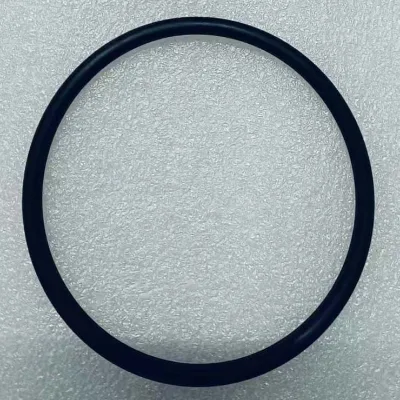


Comprehensive Sourcing Guide
O Ring Sourcing Guide
The global market for rubber O-rings presents a diverse landscape where buyers must navigate between standardized industrial components and highly customized sealing solutions. Based on current listing data, the core product category spans from general-purpose NBR and PU materials to specialized configurations designed for electric and water filtration applications. Procurement teams should recognize that while the fundamental geometry remains consistent, the functional requirements vary significantly, ranging from simple static sealing to complex rotary shaft sealing duties.
Buyers entering this market must first distinguish between off-the-shelf inventory and bespoke manufacturing capabilities. The observed product range includes standard shapes alongside irregular sizes that can be produced according to specific client requirements, indicating a supply chain capable of handling both immediate needs and long-term custom development. Understanding this distinction is critical, as it dictates the initial engagement strategy, whether the goal is rapid procurement of standard black, white, or red units or the development of a unique sealing profile for a specific mechanical assembly.
Product Scope and Observed Listing Signals
The observed product listings reveal a wide spectrum of material compositions, with Nitrile Butadiene Rubber (NBR) and Polyurethane (PU) being the most frequently cited options for general sealing duties. These materials are selected for their specific resistance profiles, such as the noted corrosion performance, which is essential for applications involving harsh chemical environments or abrasive fluids. Additionally, the availability of plastic variants suggests that sourcing strategies must account for non-elastomeric alternatives when the application demands rigidity or specific chemical inertness that rubber cannot provide.
Color and hardness variations serve as immediate visual indicators of a product's intended use and performance envelope. Listings indicate a broad palette including black, white, red, green, purple, yellow, blue, and clear options, which often correlate with specific industry standards or internal quality control coding. Hardness ratings observed in the market range from 20 to 90 Shore A, allowing buyers to match the seal's flexibility to the operating pressure and compression set requirements of their specific machinery, ensuring that the selected component will not fail under dynamic load conditions.
Technical Specifications to Verify
When evaluating technical suitability, the verification of hardness and material compatibility is paramount to ensuring long-term seal integrity. Buyers must confirm that the specified Shore A hardness aligns with the compression requirements of the gland design, as a mismatch can lead to extrusion or insufficient sealing force. The observed range of 20 to 90 Shore A provides flexibility, but the specific application, such as electric or water tube usage, dictates the precise durometer needed to maintain a seal under the expected working pressure of 230 Psi or lower.
Dimensional precision and standard compliance are equally critical, particularly when sourcing for international markets where interchangeability is required. The market data references adherence to major international standards including GB, DIN, ANSI, BSW, and JIS, which ensures that the O-ring will fit into existing assemblies designed to these specifications. For non-standard applications, the capability to produce irregular sizes according to requirements is a key technical differentiator, allowing engineers to source custom geometries without compromising the sealing function or the structural integrity of the mechanical seal.
Compliance and Safety Documentation
Regulatory compliance is a non-negotiable aspect of sourcing O-rings, especially for applications in food processing, water treatment, or medical devices. The presence of RoHS and FDA certifications in the product listings indicates that certain suppliers offer materials safe for contact with potable water and food-grade environments, which is essential for RO water filter systems and similar applications. Buyers must explicitly request and verify these certificates for every batch, as the presence of a certification on a general listing does not guarantee that every SKU or color variant meets the same safety thresholds.
Beyond material safety, the manufacturing process must adhere to quality management systems that ensure consistency across large production runs. The observation of IATF 16949 certification highlights a commitment to automotive-grade quality control, which is a strong indicator of a supplier's ability to manage complex supply chains and maintain rigorous defect rates. This certification is particularly relevant for buyers in the automotive or heavy machinery sectors, where the failure of a single seal can lead to significant operational downtime or safety hazards.
Cost Drivers and Commercial Terms
The commercial structure of O-ring procurement is heavily influenced by order volume and the complexity of the customization required. The observed Minimum Order Quantity (MOQ) ranges from a single unit to 100,000 units, reflecting a supply chain that accommodates both prototyping and mass production. Buyers should anticipate that custom shapes, irregular sizes, or specific color requirements will incur higher unit costs and potentially longer lead times compared to standard black NBR O-rings, which are typically produced in high volumes.
Payment terms and logistics strategies play a significant role in the total cost of ownership and cash flow management. Standard commercial terms often involve a 30% deposit before production begins, with the remaining 70% balance due upon delivery, a structure that balances risk between the buyer and the supplier. Transportation costs are also a variable factor, with small amounts typically shipped via air for speed and large quantities moved via sea to minimize freight expenses, requiring buyers to calculate the optimal balance between urgency and shipping cost based on their inventory needs.
Supplier Qualification and Quality Control
Supplier qualification should extend beyond basic certification checks to include an assessment of their production capacity and flexibility. The data indicates that many suppliers are located in Guangdong and Dongguan, China, regions known for robust manufacturing ecosystems, but buyers must verify the specific production period, which is observed to be between 15 and 20 days. This lead time is a critical factor in supply chain planning, as it dictates the buffer stock required to prevent production stoppages in the event of a supply disruption.
Quality control mechanisms must be verified through the supplier's packaging and inspection protocols. The observed packaging methods, ranging from individual PE bags to bulk cartons, suggest varying levels of protection against contamination and physical damage during transit. Buyers should ensure that the packaging method aligns with the sensitivity of the application, particularly for high-precision mechanical seals where even minor surface defects or contamination can compromise performance. Additionally, the ability to produce according to specific requirements implies a need for robust engineering support and clear communication channels to validate custom designs before mass production.
Long-Term Procurement Checks
Sustaining a successful O-ring supply chain requires regular audits of supplier performance against agreed-upon quality and delivery metrics. Buyers should establish a schedule for reviewing production consistency, ensuring that the hardness, dimensions, and material properties remain within the specified tolerances over time. The variability in observed standards, such as the distinction between "Standard" and "Nonstandard" classifications, necessitates a clear definition of acceptable variance in the purchase agreement to prevent disputes over product acceptance.
Strategic sourcing also involves monitoring the supplier's ability to adapt to changing market demands and regulatory landscapes. As applications evolve, such as the increasing demand for seals in electric vehicles or advanced water filtration systems, the supplier must demonstrate the agility to update their material formulations and production processes accordingly. Maintaining a relationship with a supplier who offers OEM/ODM services ensures that the buyer can scale operations and customize products as their own product lines mature, securing a competitive advantage through a reliable and responsive supply partner.
FAQs
What materials are used for these o ring seals?
The o ring seals are manufactured from NBR, PU, and Plastic materials. These options provide varying levels of durability and chemical resistance. NBR is commonly used for general industrial applications, while PU offers high wear resistance. Plastic variants are suitable for specific environmental conditions. Buyers can select the material that best fits their operational requirements and fluid compatibility needs.
Can I customize the size and shape of the o ring?
Yes, customization is available for these o ring products. The supplier supports OEM and ODM services to produce irregular sizes according to specific requirements. Standard and nonstandard shapes are both accommodated. This flexibility allows buyers to obtain precise seals for unique mechanical or hydraulic systems without needing to modify existing equipment designs or components.
What certifications do the o ring manufacturers hold?
The manufacturers hold IATF16949 certification, indicating adherence to quality management standards in the automotive industry. Additionally, some products feature RoHS and FDA certificates, ensuring compliance with environmental and food safety regulations. These credentials verify that the production processes meet rigorous international standards for quality, safety, and environmental responsibility in manufacturing.
What is the typical production lead time for orders?
The production period for these o ring orders is typically 15 to 20 days. This timeframe applies to standard manufacturing runs. Buyers should account for this duration when planning inventory or project timelines. Expedited options may vary, so it is advisable to confirm specific delivery schedules with the supplier before finalizing purchase agreements to ensure timely receipt of goods.
How are the o ring products packaged for shipping?
The products are packaged with a PE bag inside and a carton outside for standard orders. Some variations use brown packaging or individual bagging for single pieces. This protective packaging ensures the seals remain clean and undamaged during transit. The packaging method is designed to withstand both air and sea freight transport conditions effectively.
What payment terms are required for placing an order?
The standard payment term requires a 30% deposit before production begins. The remaining 70% balance is due upon delivery. This structure protects both the buyer and the supplier during the manufacturing process. Buyers should arrange the initial deposit to initiate the production cycle and ensure the balance is settled according to the agreed delivery schedule.